Backpack Journalism
What is Backpack Journalism?
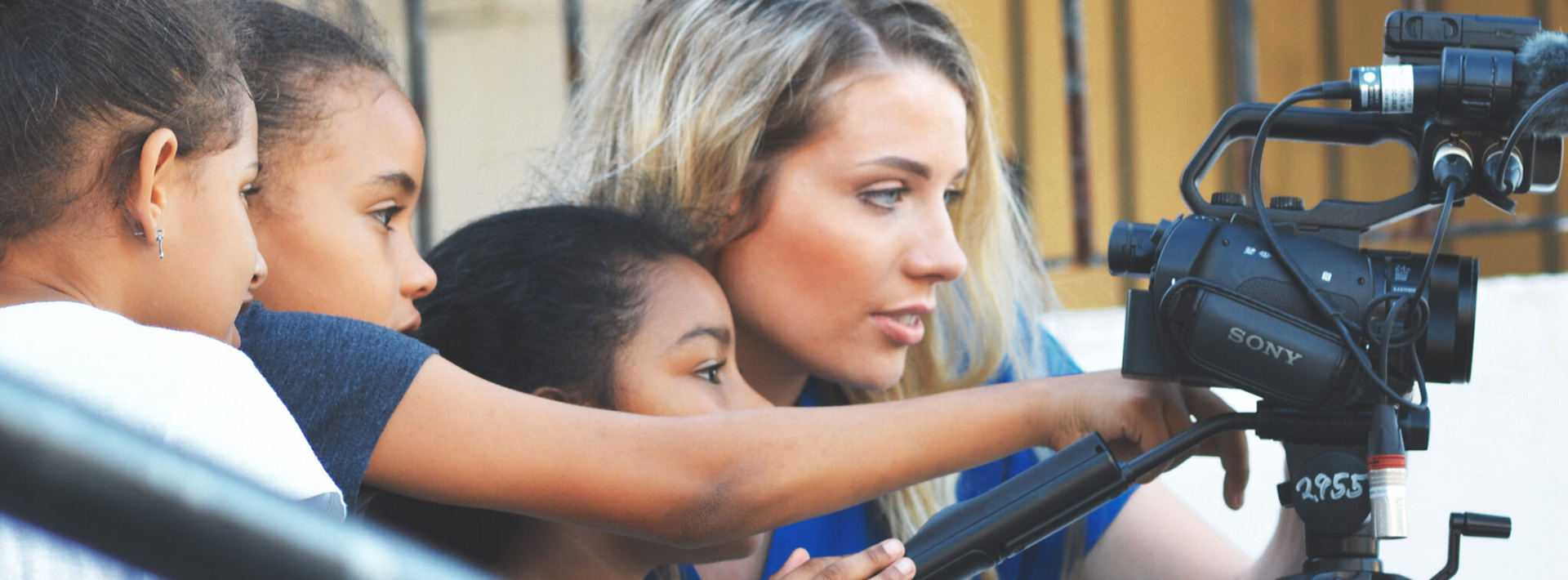
Backpack Journalism is a competitive international reporting program funded by generous alumni and donors. Four high-achieving Murrow college students travel to a foreign country to report a story with guidance from a faculty member. In the past, backpack journalism trips have sent students to destinations such as Nepal, Greece, Galapagos Islands, Guatemala, Costa Rica, China, Sri Lanka and others.
Students equipped with the latest video, audio and web technology produce multimedia content suitable for publication by media outlets. Backpack Journalism students experience the challenges and benefits of international travel, may have their work published by professional media and enrich their academic and professional lives.
Selected students will travel to Vietnam to report on growing international imports of Washington apples, particularly the Cosmic Crisp®, which was developed at WSU. Student reporting will focus on all aspects of the apple industry, including the production, sale, marketing, export and import of Washington apples. Students will be enrolled in a 1 credit course in spring 2026 semester.
Travel will occur over spring break 2026.
Questions? alison.boggs@wsu.edu
Buchenwald Memorial (Germany)
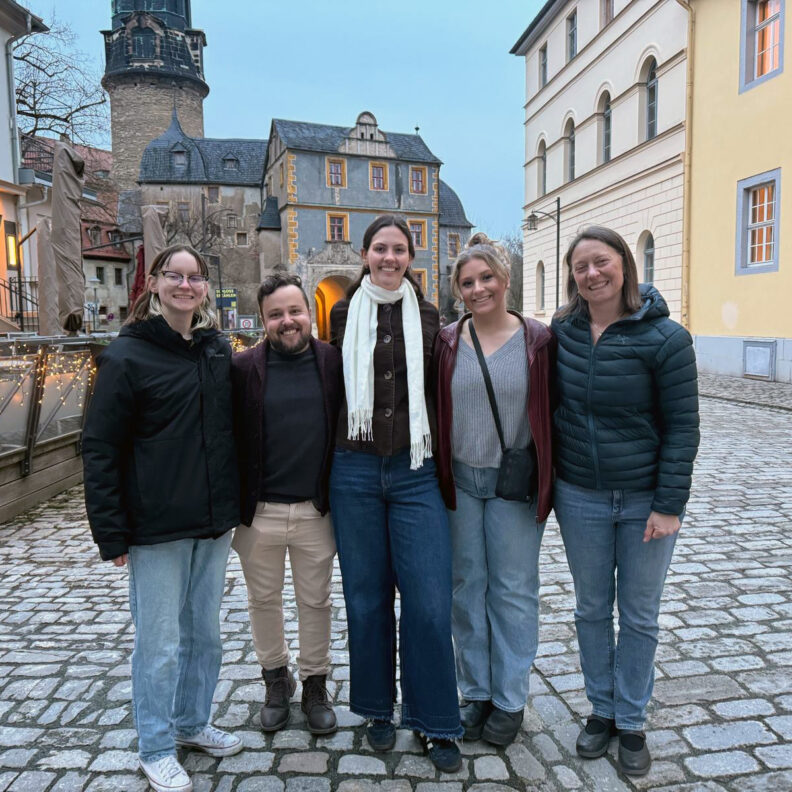
The 2025 Backpack Journalism program traveled to Germany in March to report on the 80th anniversary of the end of World War II. The namesake of our college, Edward R. Murrow, one of the most influential reporters of the 20th century, delivered a poignant 10-minute report from the Buchenwald concentration camp in Weimar a few days after its liberation on April 11, 1945. The report was heard by millions of American citizens and others around the world. It was the first time many people learned of the atrocities committed in the camps by Nazi Germany. Buchenwald is now the largest memorial of its kind in Germany, seeing up to half a million visitors per year. Our goal was to do stories about the 80th anniversary of its liberation, while also incorporating the history of Murrow’s influential report. Working with the director of education at the Buchenwald Memorial, we made plans to stay on-site at the memorial in an educational center for four days. We toured every part of the memorial, and the students interviewed multiple members of the staff and other visitors who were there.
Student Reporting from Around the Globe
- Germany: A voice from Buchenwald: How Murrow’s broadcast unlocked family history from the Holocaust
- Germany: 80 years after Edward R. Murrow revealed the horrors of Buchenwald, the camp still has a vital story to tell
- Germany: Her great-grandfather helped liberate Buchenwald; 80 years later, the CWU grad student makes it her mission to show the full scope of WWII vets’ experiences
- Kenya: How healthy cows are changing lives and keeping students in school
- Kenya: WSU researchers study a coronavirus spread by camels in Kenya
- Serbia: Serbian female investigative journalists continue to face growing harassment
- Serbia: Serbian student journalists face challenging career
- Puerto Rico: In the aftermath of a hurricane, an island tries to rebuild
- Argentina: The most brutal race in the world
- Guatemala: In rural Guatemala, Hearts in Motion
- Nicaragua: Saving the world, one pet at a time